Unveiling the Charm of Leaded Glass
The intricate beauty of leaded glass has long entranced those with an appreciation for detailed craftsmanship and artistic expression. In modern interior design, leaded glass is experiencing a renaissance, re-emerging as a favoured choice for adding character and luxury to living spaces. Known for its brilliant array of colours and the capability to diffuse light into mesmerizing patterns, leaded glass incorporates both art and functionality in unique ways that captivate the eye and elevate the aesthetics of any room.
Leaded glass, traditionally seen in the windows of churches and historical buildings, has evolved in its use and aesthetic, blending seamlessly with both contemporary and traditional architectures. This versatility is one reason for its renewed popularity. Designers and homeowners alike are rediscovering the potential of leaded glass to create statement pieces that are both timeless and elegant.
Moreover, the allure of customisation allows leaded glass to be tailored to personal tastes and specific interior themes. Whether it’s a vibrant centrepiece window or a series of subtly tinted panels, leaded glass offers a spectrum of design possibilities that can complement any decorating scheme, making it a highly appealing option in today’s diverse interior design landscape.
The Journey from Past to Present
Leaded glass boasts a storied history, originating over a thousand years ago and prominently used during the Middle Ages in Europe. It was particularly celebrated during the Gothic and Renaissance periods when its development was propelled by technological advancements and a growing interest in ornamental arts. The vibrant stained glass windows of this era were not only functional but depicted stories and upheld the aesthetic ethos of the times.
Transitioning into the modern era, the appreciation for leaded glass waned with the rise of industrialism and modernist design principles, which favoured simplicity and minimalism. However, recent decades have witnessed a resurgence of interest in artisanal and vintage décor elements, catapulting leaded glass back into the spotlight as a cherished feature of interior design, especially within the United Kingdom where historical influences play a significant role in contemporary aesthetics.
Today, leaded glass is celebrated not just for its historical significance but for its adaptability to modern design needs. It offers a unique bridge between past and present, enabling designers to craft spaces that communicate both heritage and modernity.
Incorporating Leaded Glass in Homes
The integration of leaded glass into residential spaces lends a distinctive charm and elegance that few other materials can achieve. It is particularly effective in enhancing light and colour within a space. For instance, a leaded glass panel above a door or in a transom window can turn natural light into a dynamic visual element, animating rooms with lively colours dispersed through its textured surfaces.
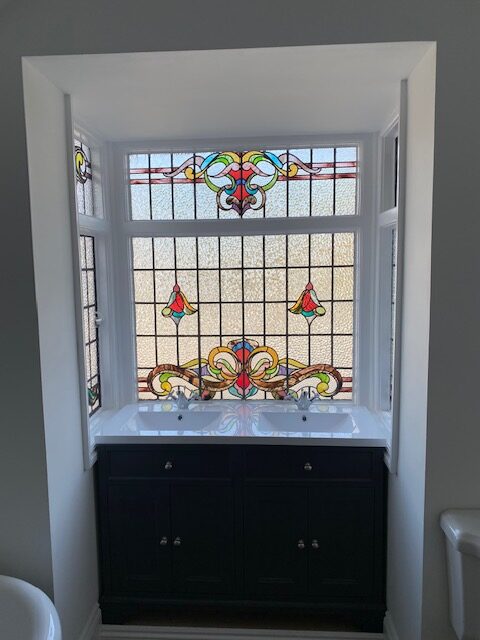
Kitchens and bathrooms also benefit from leaded glass installations, where privacy and natural light are often at a premium. Frosted or patterned leaded glass can be used for cabinet doors or shower enclosures, offering an exquisite touch while maintaining functionality. Furthermore, the use of leaded glass in skylights or as room dividers in open-plan spaces can create visually intriguing yet coherent interior landscapes.
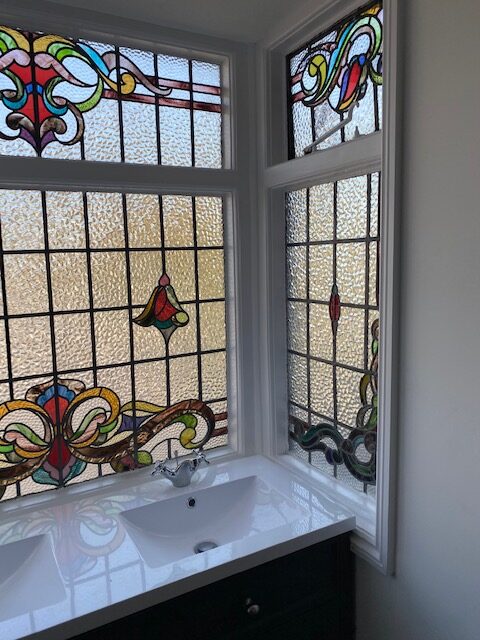
Leaded glass elements can also be strategically placed to enhance the architectural features of a home, such as in bay windows or as detailed sidelights flanking a main entrance. This not only boosts the curb appeal but also increases the value of the property, making leaded glass a worthwhile investment in residential design.
Innovations in Leaded Glass Designs
Contemporary innovations in leaded glass designs are broadening their application in modern interiors. Advances in materials and techniques have allowed artists and craftsmen to push the boundaries of traditional leaded glass to include three-dimensional textures, integrating metals and even incorporating LED lighting to illuminate the glass from within, transforming the pieces into luminous artworks.
Additionally, the fusion of leaded glass with modern digital printing technologies has opened up possibilities for reproducing intricate designs with precision and vibrancy. This technique allows for the replication of detailed photographic images or complex patterns on glass, providing personalisation at a level that was not previously possible.
Designers are also experimenting with the scale and context of leaded glass installations, proposing dramatic large-scale applications such as entire wall panels or bold, contemporary patterns that challenge the traditional aesthetics associated with leaded glass, thus appealing to a younger, more modern-minded audience.
Environmental Considerations and Solutions
The use of lead in traditional leaded glass poses environmental and health concerns, prompting the industry to seek safer, sustainable alternatives. Modern advancements include the use of lead-free solders and composites that mimic the look and feel of traditional leaded glass without the associated risks. These developments make leaded glass a more environmentally friendly option.
Moreover, the recycling of old leaded glass is becoming more feasible and popular, reducing the need for raw materials and minimizing waste. Artisans can reclaim and repurpose old leaded glass, lending an eco-friendly aspect to new creations and ensuring that the charm of vintage glass is preserved while reducing environmental impact.
Forward-thinking manufacturers are also improving the energy efficiency of leaded glass by incorporating advanced glazing options and thermal barriers that help reduce heat loss. This not only contributes to a lower carbon footprint but also enhances the comfort and usability of spaces adorned with leaded glass, proving that beauty and environmental responsibility can go hand in hand.
Leaded Glass in Commercial Spaces
In the realm of commercial design, leaded glass is being reimagined as a sophisticated element that can signify luxury and exclusivity. High-end retail locations, boutique hotels, and corporate headquarters are employing leaded glass in creative ways to construct memorable, visually compelling environments that enhance brand identity.
Restaurants and bars also utilise leaded glass to create atmospheric interiors that evoke a sense of intimacy and refinement. Custom leaded glass dividers or illuminated bar backsplash designs can transform a common space into a striking setting that invites guests to linger.
The practical benefits of leaded glass, such as its durability and ease of maintenance, also make it an appealing choice for commercial spaces that demand both aesthetics and functionality. Its ability to be customised in scale and design ensures that each installation can be a tailored, one-of-a-kind piece that aligns perfectly with a company’s aesthetic values and practical needs.
The Art of Crafting Leaded Glass
The process of creating leaded glass is an art form that requires precision, skill, and a deep understanding of both materials and craft. It begins with the careful selection of glass, which can vary widely in terms of texture, colour, and transparency. Artisans then cut the glass into precise shapes before fitting them into H-shaped lead cames that hold the individual pieces together.
Soldering the joints and waterproofing the panel completes the assembly, ensuring stability and longevity. This meticulous process highlights the artisan’s skill and creativity, making each piece of leaded glass a unique work of art. The ability to customise every aspect of the process allows for the creation of highly personalised and distinct pieces that reflect the client’s desires and the designer’s vision.
The revival of interest in traditional crafts has also encouraged a new generation of artisans who are eager to learn and preserve the techniques of leaded glass making. This not only ensures that the craft survives but also enriches the pool of available designs and techniques, leading to innovative applications in both traditional and contemporary interior settings.
Future Trends in Leaded Glass Decor
Looking forward, the incorporation of technology is set to play a pivotal role in the evolution of leaded glass decor. Augmented reality (AR) and virtual reality (VR) could soon allow clients to visualise leaded glass installations in their own spaces, helping them make more informed decisions about customisations and placements. Additionally, advancements in smart glass technologies could potentially integrate leaded glass designs with interactive or responsive features, making them not only decorative but dynamically functional.
The trend towards more sustainable and environmentally conscious design is expected to continue shaping the leading glass industry as well. This could manifest in increased use of recycled materials and further innovations in lead-free alternatives, aligning with broader consumer preferences for green and sustainable home decor products.
As urban spaces become more premium, the use of decorative solutions like leaded glass that combine style with privacy and light control will likely become more prevalent in both residential and commercial designs. This sustained interest and innovation promise a bright and exciting future for leaded glass in the world of interior design, continuing its legacy as a cherished decorative element that beautifully melds the past with the present.