Exploring the Charm of Leaded Glass Windows
Leaded glass windows, with their intricate designs and vibrant colours, have not only beautified architectural structures throughout the centuries but also added a mystical aura that captures the imagination. This form of decorative glasswork, particularly prominent in historical and ecclesiastical buildings, utilises pieces of glass cut into shapes, held together by strips of lead. The charm of leaded glass lies in its ability to disperse light into a spectrum of colours, thus bringing static structures to life. Each pattern and hue tells a story, reflecting both the artistic trends and cultural sentiments of the period in which they were made.
The aesthetic appeal of leaded glass windows is undeniable. When sunlight passes through these vibrant windows, the play of light creates a warm, inviting atmosphere that enhances the interior beauty of any space. This feature is not only a benefit for the historic sites that house them but also elevates the experience of visitors who come to admire these works of art. The visual impact of these windows is often so powerful that it can transform an ordinary room into a spectacular showcase of light and colour.
In addition to their beauty, leaded glass windows also serve a practical purpose. The lead cams that hold the glass panes together are extremely durable, providing structural stability to the window. This strength ensures that the artwork survives the test of time, often remaining intact for centuries. For preservation enthusiasts and architects alike, the robust nature of leaded glass windows means that they not only enhance a building aesthetically but also contribute to its longevity.
The Artistry Behind Historical Glass Designs
The creation of leaded glass windows is an art form that has evolved over centuries, with each era bringing its own distinctive styles and techniques. Medieval craftsmen in the UK were pioneers in developing the methods and artistic expressions that defined early examples of this craft. These artisans often drew inspiration from religious texts and natural motifs, creating designs that were not only visually stunning but also rich in symbolic meaning. The meticulous process of selecting and assembling the coloured glass to form coherent, evocative images requires a high level of skill and artistic vision.
Renaissance periods saw a transformation in the themes and intricacies of leaded windows, reflecting more secular and humanistic influences. This was when the artistry behind glass designs began to include more elaborate depictions of landscapes, portraits, and everyday life, showcasing more refined glass painting techniques and shading effects, which added depth and realism to the images. The ability of these windows to convey complex narratives and evoke emotional responses from viewers is a testament to their cultural and historical significance.
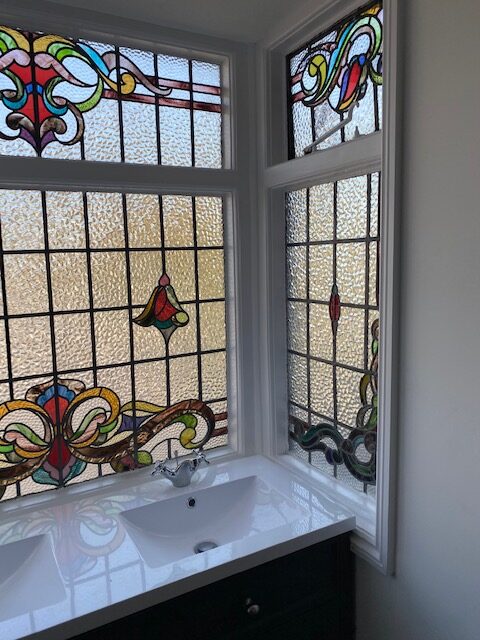
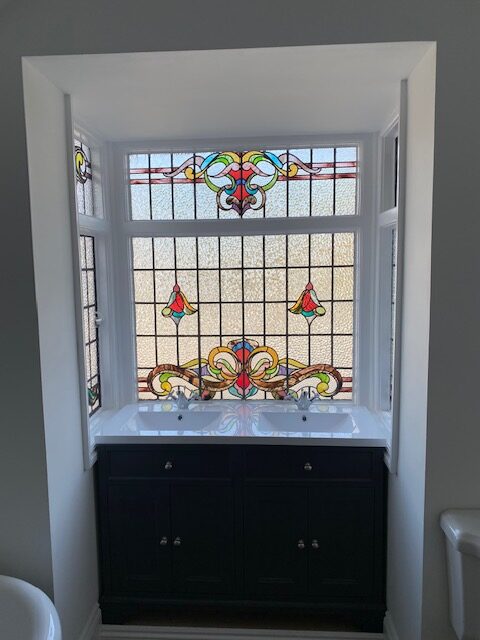
The Victorian era marked another significant evolution in the art of leaded glass, introducing vibrant opalescent glass and layering techniques that brought a new dimension to window designs. These innovations not only highlighted the advancements in glassmaking technologies but also reflected the societal changes and aesthetic sensibilities of the time. The resulting pieces were not just windows but dynamic artworks that enriched the architectural heritage of the period.
Guide to Britain’s Most Famous Stained Glass
The United Kingdom is home to some of the world’s most famous stained glass windows, each a repository of historical and artistic richness. Perhaps the most iconic is the Great East Window at York Minster, which is the largest expanse of medieval stained glass in the country. Created in the 15th century, it depicts biblical scenes and figures with remarkable detail and vibrancy, making it a pivotal study piece for both historians and artisans.
Another significant collection can be found in the Westminster Abbey in London. Known for its stunning rose windows, this historic church features glasswork that dates back to the 13th century. The intricacy of the designs and the skill evident in the craftsmanship make these windows a must-see for anyone interested in the evolution of stained glass artistry in the UK.
Not to be overlooked, the stained glass windows at St. Giles’ Cathedral in Edinburgh also offer a breathtaking view into the artistic traditions of Scotland. Featuring both ancient and modern stained glass, this site provides a unique narrative of Scottish history and the various stylistic phases of leaded glass artwork over the centuries.
Discovering the Splendour of Cathedral Windows
Cathedrals across the United Kingdom are custodians of some of the most splendid leaded glass windows in existence. These towering creations are not only feats of artistic endeavour but also function as theological narratives that illuminate the interiors with stories of faith and history. The windows of Canterbury Cathedral, for instance, are renowned for their stunning depictions of biblical tales and figures, crafted in vivid colours that command the attention of all who visit.
The cathedral in Durham is another prime example where the leaded glass not only enhances the spiritual atmosphere but also plays a critical role in architectural design. The Rose Window, with its intricate pattern and symbolic design, is a focal point that draws visitors from around the world, highlighting the interconnectedness of art, religion, and architecture.
Liverpool’s Anglican Cathedral boasts modern interpretations of stained glass, offering a contemporary twist on this ancient art. The windows here merge traditional craftsmanship with modern artistic expressions, showcasing how leaded glass can evolve while still respecting its historical admins. Each window captures a particular aspect of spiritual life and heritage, making them profound pieces of cultural artwork.
Mapping Iconic Leaded Windows Across the UK
The geographic spread of iconic leaded windows across the UK is as diverse as the styles and epochs they represent. From the historic lands of Scotland to the heart of London, each region has its own stories told through the medium of glass. Mapping these locations offers not only a journey through the landscape of the UK but also a chronological walk through history, where each window provides a visual representation of its time.
For those intrigued by the Tudor period, the Hampton Court Palace offers a spectacular array of Tudor glass, much of which has been meticulously preserved. This provides an opportunity to view the themes and artistic techniques favoured by the Tudor monarchy, encapsulated within the grandeur of a royal palace.
In contrast, the modern leaded windows of Coventry Cathedral, designed by artists like John Piper and Patrick Reyntiens, represent the resilience and rebirth of post-war Britain. These windows not only tell a story of destruction and rebuilding but also encapsulate a moment of significant historical and artistic transformation. Thus, travelling across the UK to view these windows is as much an educational journey as it is a cultural one.
How Leaded Glass Windows Illuminate History
The historical significance of leaded glass windows extends beyond their visual appeal, acting as luminous documents that shed light on the past. Each piece encapsulates the artistic, cultural, and sometimes political landscapes of the era in which it was created. For historians and archaeologists, these windows are invaluable resources that offer insights into the technological advancements and material availability of the time.
Furthermore, the themes and motifs portrayed in these windows often reflect the societal values and religious beliefs prevalent during certain periods. For instance, the prevalence of biblical themes during the medieval period underscores the central role of the church in daily life and governance. In contrast, the introduction of secular themes in later periods highlights the shifting dynamics of society and the broadening scope of artistic expression.
By studying the historical context of these windows, one gains a deeper understanding of the periods they represent. This makes leaded glass windows not just art pieces but also historical artefacts that can teach us about the evolution of society, art, and technology. They illuminate history, quite literally, allowing us to look back through centuries of human endeavour and creativity.
The Techniques and Styles of Traditional Glass
The techniques involved in creating leaded glass windows are as varied as the styles they embody. The traditional method involves cutting pieces of coloured glass to fit a particular design, then joining them using strips of lead called cames, which are soldered at the joints. This technique has been refined over centuries but remains largely unchanged in its basics, a testament to its effectiveness and durability.
Staining is another crucial technique, where metallic salts are applied to the glass while it is molten to change its colour permanently. This method was particularly valued during the medieval period when specific hues like ruby reds and deep blues were difficult to achieve. Over time, the introduction of enamel painting and silver stain added new dimensions to the colour palette and design complexities of stained glass art.
The style of leaded glass can range from the geometric intricacies of Gothic designs to the flowing lines of Art Nouveau and beyond. Each style represents a distinct philosophical and aesthetic approach, reflecting the tastes and attitudes of the time. Whether it is the imposing figures of saints and monarchs or the delicate patterns of flowers and vines, the diversity of designs in leaded glass windows offers a rich tapestry of human expression through art.
Visiting Sites with Magnificent Glass Artwork
Visiting sites that house significant collections of leaded glass windows is not merely a visual delight but an immersive experience of historical art. Institutions like the Victoria and Albert Museum in London provide curated experiences where one can appreciate both the beauty and the technical prowess of stained glass art from various periods. The museum’s collection includes pieces from as early as the 12th century, offering a comprehensive overview of the evolution of this art form.
For a more focused experience, the Stained Glass Museum in Ely stands out as a specialist repository of stained glass art, featuring over 1000 specimens that trace the development of stained glass from the medieval to the modern era. This museum not only showcases spectacular examples of leaded glass but also offers workshops and lectures that delve into the craft’s