Understanding the Basics of Glass Table Tops
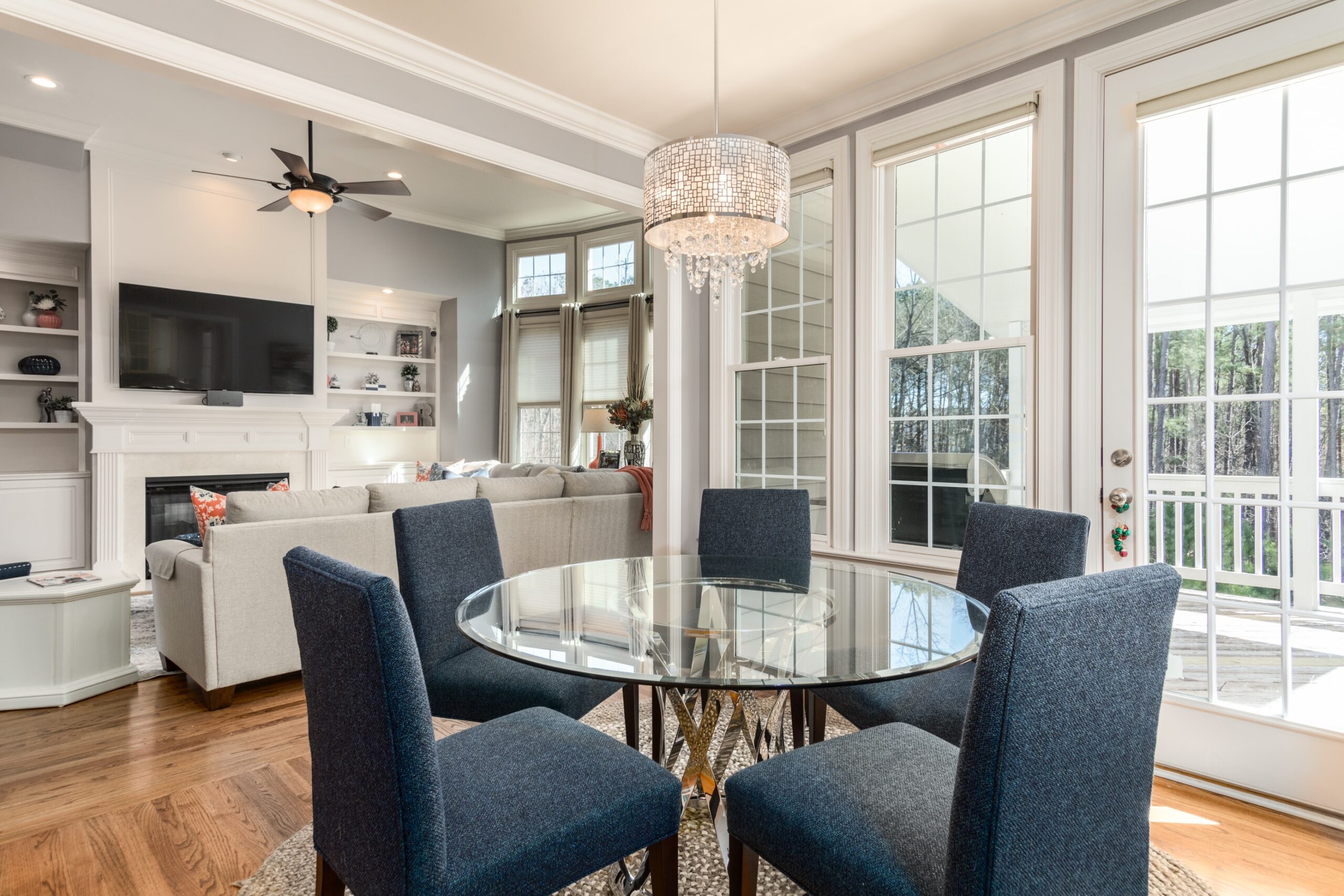
When it comes to enhancing the aesthetic of a room, glass table tops are a popular choice due to their sleek appearance and modern touch. They not only accentuate the underlying decor but also serve as a protective cover for tables made of wood, metal, or other materials. Glass table tops come in a variety of shapes, sizes, and, most importantly, thicknesses, each suiting different functional needs and design preferences. Understanding the basics of glass types, such as tempered or annealed glass, is crucial in making an informed decision.
The choice of glass thickness for table tops varies widely, influencing both the look and functionality of the furniture. Thicker glass, while heavier, offers greater durability and is less prone to flexing. In contrast, thinner glass is lighter and suits more delicate applications where it is not exposed to heavy use. Transparency, edge detailing, and tint are additional aesthetic factors that can be tailored to enhance a room’s character.
Selecting the right glass thickness and type requires considering both practical utility and design aspirations. It’s essential to balance these aspects to ensure that the glass table top not only looks exemplary but also fulfils its role effectively without compromising on safety or ease of maintenance.
Factors Influencing Your Choice of Thickness
The selection of the right glass thickness is influenced by several key factors. Primary among these is the table’s size and usage. Larger tables often require thicker glass to ensure stability and resistance against breakage. The supporting structure of the table also plays a critical role; standalone glass tops need to be thicker than those resting on a solid frame to prevent flexing and potential damage.
Another significant factor is the overall safety requirements. For instance, public spaces and households with young children or pets might opt for tempered glass which is tougher and shatters into smaller, less harmful pieces when broken. Environmental factors such as exposure to high temperatures or the likelihood of impacts (e.g., from children playing) should also guide the thickness choice to enhance durability and longevity.
Lastly, aesthetic preferences significantly impact thickness selection. Some individuals may prefer a chunkier, more pronounced look that thicker glass provides, while others might lean towards the subtlety and elegance of thinner glass. It’s about finding the right balance that complements the space’s design while ensuring practical functionality.
Evaluating the Purpose of Your Glass Table
Before deciding on the thickness of your glass table top, it’s important to evaluate its primary purpose. Is it going to serve as a main dining table, a coffee table, or perhaps a decorative piece? Dining tables, for instance, benefit from thicker glass to withstand frequent use, potential spills, and the weight of dishes and cutlery. Coffee tables might see less intense use, allowing for a bit of flexibility in thickness.
Consider also whether the table will feature under glass items that need to be showcased, such as collectibles or decorative bases. In such cases, a thinner glass might suffice and even enhance visibility. However, if the table is in a high-traffic area and used by children, thicker, tempered glass should be considered to ensure safety and durability.
The functionality extends beyond mere usage; it includes the maintenance and longevity of the tabletop. Easier cleaning and resistance to scratches are important for tables that are used frequently, guiding the thickness and type of glass chosen.
Standard Glass Thickness for Various Needs
Typically, the standard glass thicknesses available for table tops range from 4mm to 12mm. Smaller tables and those that are not subjected to heavy usage can be managed with 4mm-6mm thick glass. This range is ideal for side tables or small coffee tables that serve a more decorative purpose.
For larger tables such as dining tables or desks that bear more weight and frequent use, a thickness of 8mm to 12mm is recommended. These thicknesses provide a sturdy surface that can handle a significant amount of weight and usage without compromising on structural integrity. Speciality tables, such as those needing to support heavy objects or withstand significant environmental stresses, might even opt for glass thicker than 12mm.
It is important to note that the choice between these standards should always consider the specific needs and conditions of the space and usage patterns. Consulting with a professional can help determine the precise thickness needed for your particular application.
Impact of Glass Thickness on Durability
The thickness of the glass not only affects the tabletop’s look but also plays a crucial role in its durability. Thicker glass, inherently more robust, is less prone to breakage and can better withstand accidental impacts and pressure. This makes it an ideal choice for table tops that need to endure heavy use or support considerable weight.
Conversely, thinner glass, while suitable for less frequented or decorative tables, risks cracking or chipping more easily. It requires a more cautious approach to handling and may not be the best option for areas where active, robust use is expected. However, it is perfect for bringing elegance and delicacy to low-impact areas.
Ultimately, the choice in thickness must align with the expected wear and tear. Opting for a glass thickness that suits the table’s environment and usage can significantly extend its lifespan and maintain its pristine appearance.
How to Measure for the Perfect Fit
Ensuring a perfect fit for your glass table top begins with precise measurement. It is important to measure the table area accurately, accounting for any curvature or unique angles that might affect the glass placement. Use a reliable tape measure and note the dimensions, rounding to the nearest millimetre for precision.
In cases where the glass is to sit inside a frame, it is crucial to measure the interior dimensions of the frame rather than the entire tabletop space. This ensures that the glass sits comfortably within the frame without the risk of overhanging edges which can be prone to chipping. Allow a small gap, typically around 2mm, to accommodate any expansion due to heat and to facilitate cleaning.
For circular tables, measure the diameter across the widest part of the table. For square or rectangular tables, measure the length and width. If the glass needs to have any special cut-outs (for example, for umbrellas on outdoor tables), ensure these are clearly marked and communicated to the supplier to avoid any fitting issues.
Professional Tips for Selecting Table Glass
Consulting with a glass professional can provide insights into not only the right thickness but also the type of glass best suited for your table. Experts might suggest tempered glass for added safety, or tinted glass to reduce glare and complement the room’s aesthetics. They can also advise on edge finishes, such as bevelled or pencil edges, which can enhance the table’s appearance and contribute to safety.
Professionals will also consider the balance between the glass’s weight and the table’s support structure. A heavy glass on a weak base may lead to instability or damage. Hence, it is important to match the glass thickness not only to usage but also to the table’s structural capabilities.
Lastly, a professional can guide you on the latest trends and innovations in glass technology, such as UV bonding, which can open up new possibilities for your table design and functionality. This advice can be invaluable in creating a table that is both beautiful and practical.
Maintenance and Care for Your Glass Table
The maintenance of your glass table top is crucial for preserving its appearance and longevity. Regular cleaning with appropriate glass cleaners and a microfiber cloth can prevent smudges and scratches that detract from its clarity and shine. Avoid abrasive materials that might scratch the surface.
Periodically check the glass for any signs of wear such as scratches or chips. Early detection can prevent further damage and potentially hazardous conditions. It’s also advisable to use placemats or coasters to prevent scratching from dishes or writing implements.
Finally, consider the environmental factors that might affect the glass. Direct sunlight can sometimes cause the glass to heat excessively, potentially leading to breakage. Similarly, extreme cold can make glass brittle. Positioning your table to avoid these extremes, or using protective covers when not in use, can greatly extend the life of your glass table top.